
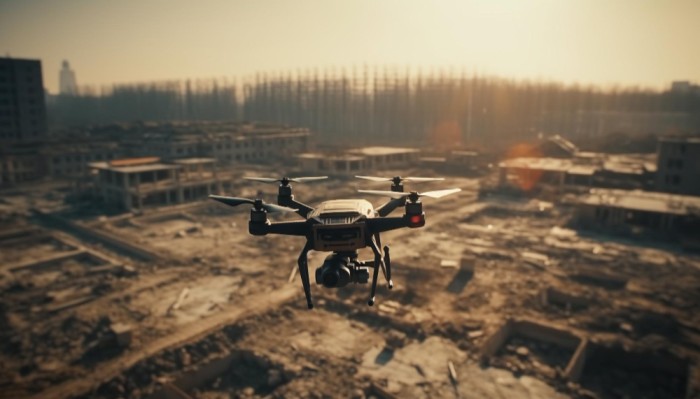
Thick plumes of smoke rose over Moscow as a significant drone attack from Ukraine targeted multiple sites, including an oil refinery in the Kapotnya district. The incident prompted the activation of air defense systems and caused temporary suspensions at major airports such as Sheremetyevo, Vnukovo, and Zhukovsky. Local authorities reported that while most drones aimed at Moscow were intercepted, several breached defenses and reached critical infrastructure locations.
Alongside the fire at the refinery, the drone assault resulted in damage to a shopping center and residential buildings in the broader Moscow area. Emergency response teams were swiftly dispatched, and traffic restrictions were implemented in affected zones to manage the situation. Officials have described the attack as one of the most substantial drone offensives on Moscow to date, underscoring the increasing intensity of the conflict.
This event is part of a broader pattern of escalating cross-border strikes between Russia and Ukraine. Ukrainian drone operations have previously disrupted refinery operations, exacerbating pressure on Russia’s fuel supply chain. In retaliation, Russia has intensified its missile and drone attacks on Ukrainian urban centers, further fueling the aerial conflict between the two nations.
Amidst these tensions, Ukrainian officials have framed their drone operations as a response to ongoing Russian aggression, while Moscow views them as significant threats to the capital’s security. Independent verification of the exact number of drones intercepted and the extent of the damage remains challenging, with each side presenting conflicting accounts.
The ongoing exchange of strikes reflects the expanding scope of the war, as both nations increasingly target critical infrastructure far beyond the immediate battlefronts. This development highlights the growing reach and impact of the conflict, raising concerns about its potential to further destabilize the region.