
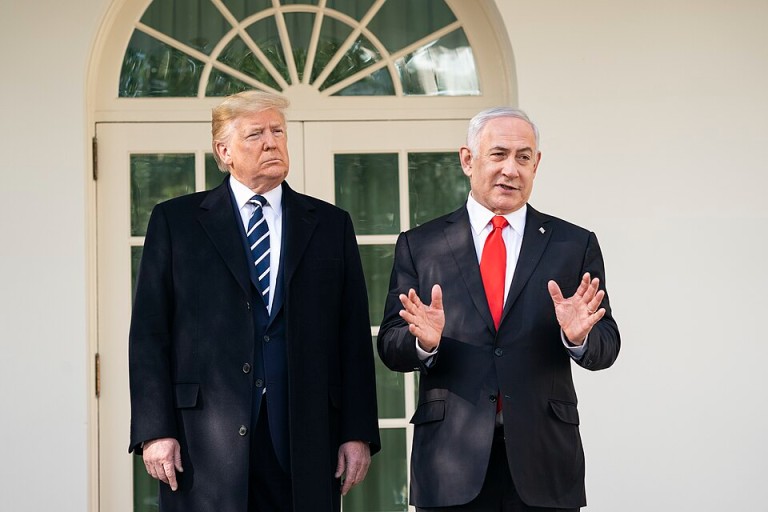
Amid escalating tensions related to the ongoing conflict involving Iran and Lebanon, US President Donald Trump has publicly expressed his disapproval of Israeli Prime Minister Benjamin Netanyahu, labeling him as “a very difficult guy.” These comments come at a critical juncture as the United States and Iran are on the cusp of signing a peace agreement, which aims to resolve over three months of regional hostilities. The anticipated deal is set to stipulate a cessation of military activities, the reopening of the strategic Strait of Hormuz, and the easing of US naval restrictions in the area.
President Trump voiced his frustration specifically over Israel’s persistent military actions in Lebanon, arguing that recent strikes on Beirut have complicated the finalization of the peace deal with Iran. According to Trump, these attacks have delayed the announcement of the peace framework and have heightened tensions at a particularly sensitive moment in the negotiations. Despite these criticisms, Trump underscored the significance of American support for Israel, acknowledging ongoing regional security challenges.
The conflict has intensified in Lebanon following Hezbollah’s entry into the hostilities in support of Iran, which has resulted in months of cross-border fighting and an extensive Israeli military campaign in southern Lebanon. This violence has led to the displacement of large numbers of civilians and has raised concerns about the potential for a wider regional war. While the United States and Iran have made headway toward a peace settlement, the role of Lebanon in this agreement remains uncertain. Mediators have implied that issues related to Lebanon will be addressed in future discussions, although Israel has stated it will continue to make independent security decisions.
With the peace framework expected to be officially signed in Switzerland later this week, attention is focused on the ensuing 60-day negotiation period that both parties are anticipated to enter. This period will address unresolved issues, including Iran’s nuclear program and broader regional security matters. The potential signing and implementation of this agreement are being closely monitored by global markets, as it could contribute to stabilizing the Middle East and restoring normal shipping operations through the Strait of Hormuz, a vital corridor for international energy supplies.