
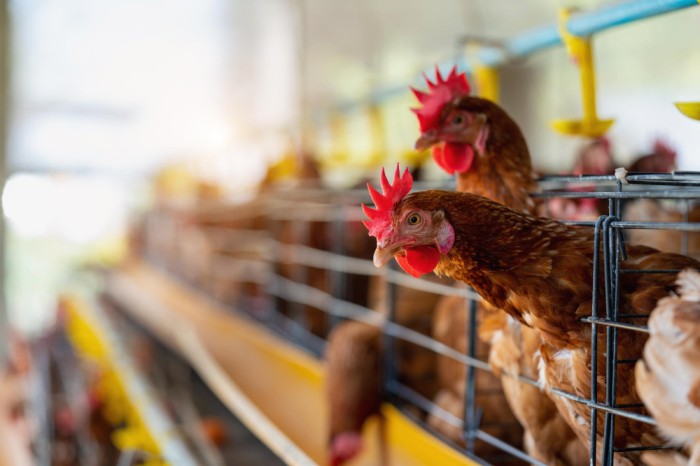
In a significant stride towards sustainability and ethical sourcing, Chatrium Hospitality has successfully completed its switch to exclusively using cage-free shell eggs across all its hotels and properties in Thailand. This transformation, which started in 2024 and concluded in February 2026, involves the procurement of over 1.4 million eggs annually for the company’s operations in Thailand. The initiative underscores Chatrium Hospitality’s dedication to enhancing its supply chain practices, aiming to support higher standards of animal welfare.
Chatrium Hospitality’s commitment to solely sourcing cage-free eggs aligns with its broader objectives of responsible food procurement and sustainability. This effort was made possible through partnerships with suppliers to guarantee a steady supply of high-quality cage-free eggs throughout its hotel network. The company emphasizes that sustainability, encompassing responsible sourcing and environmental stewardship, is integral to its business model, which also focuses on delivering meaningful experiences for guests.
The company’s transition to cage-free egg sourcing is a reflection of the growing movement within Thailand’s hospitality sector to improve animal welfare practices. Industry stakeholders have praised the decision, noting that corporate sourcing strategies can play a pivotal role in fostering more responsible food systems. Chatrium Hospitality’s actions serve as a testament to the potential influence businesses can exert on supply chain enhancements through well-defined policies and sustainable procurement approaches.
As Chatrium Hospitality sets this milestone, it symbolizes ongoing advancements toward responsible hospitality practices. This move not only reinforces the company’s own commitment to sustainability but also holds the potential to inspire other businesses in Thailand’s hotel, food service, and retail sectors to adopt higher animal welfare standards. By leading with example, Chatrium Hospitality contributes to a broader industry shift towards more ethical sourcing and supply chain practices.
Legal Disclaimer:
The information contained in this article has been provided by independent third-party contributors, clients, or content partners. We do not independently verify the accuracy, completeness, legality, ownership, licensing, or reliability of submitted content, including text, images, videos, trademarks, or other media materials. The submitting party is solely responsible for ensuring that all content, including images and media assets, complies with applicable copyright, trademark, licensing, and intellectual property laws. We disclaim liability for any unauthorized use of copyrighted or proprietary materials by third parties. If you believe that any content published on this platform infringes your intellectual property rights, kindly contact the author above for prompt review and resolution.